Research Focus
The neurofluids group studies the fluids that sustain the brain — blood, interstitial fluid (ISF) and cerebrospinal fluid (CSF) — and the exchange between these compartments. Blood delivers nutrients and removes metabolites, ISF bathes the neurons and carries signalling molecules, and CSF cushions the brain and, through the glymphatic system, drives waste clearance along perivascular pathways where CSF and ISF meet.
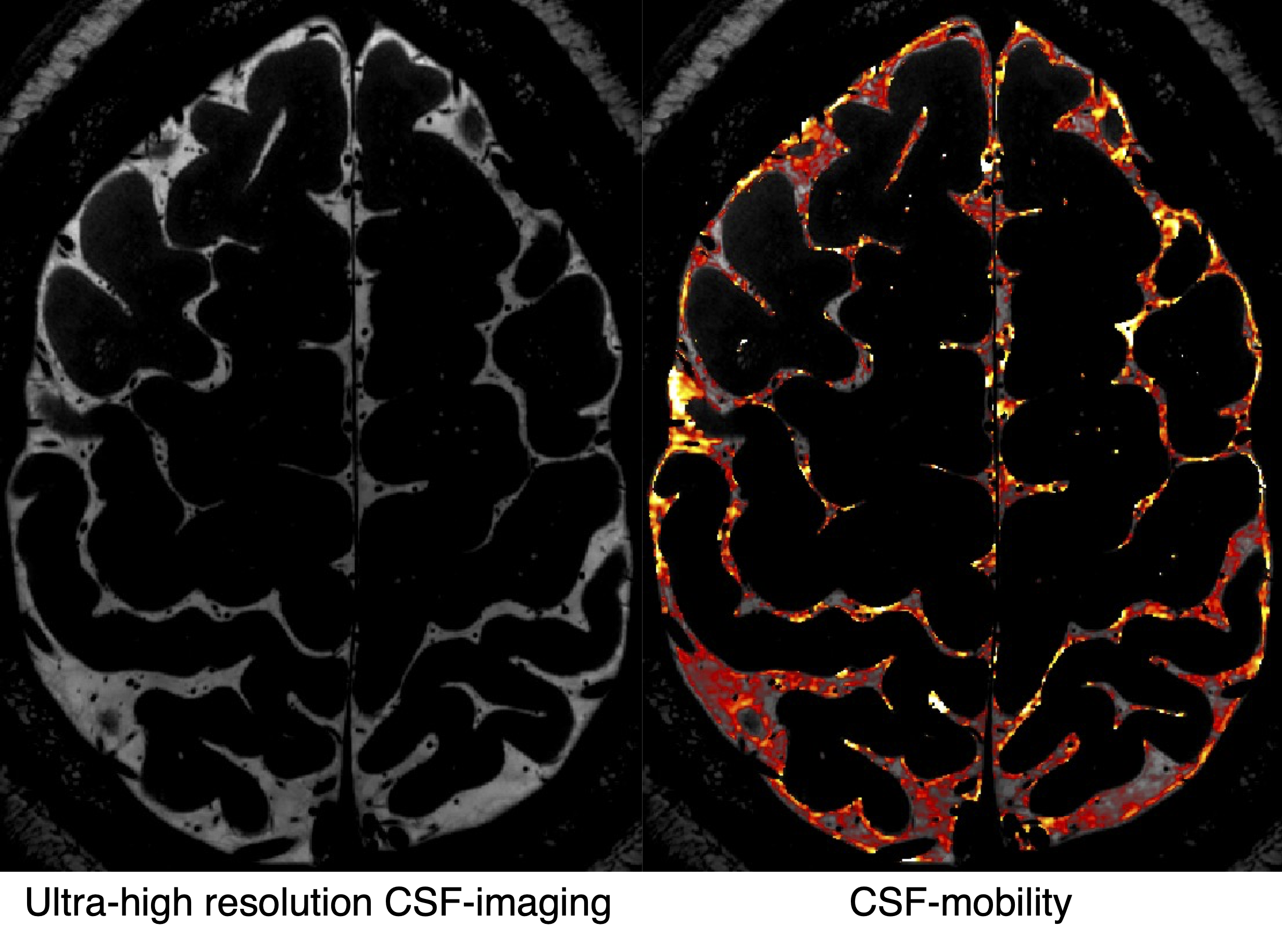
Much of this exchange takes place in the subarachnoid space surrounding the brain, where it is thought to drive the glymphatic system. Yet the forces that drive these flows, and the structures that shape them, remain poorly understood in humans: studying them has so far demanded invasive procedures or ex-vivo tissue. The discovery of the glymphatic system has since accelerated the development of non-invasive neurofluids MR. The neurofluids research group utilize these advances, sequences such as CSF-STREAM and ultra-high resolution CSF imaging, in an iterative loop between a basic-research arm and a clinical arm, each feeding the other.
In the basic-research arm, we study the function and structure of CSF flow in the subarachnoid space, with particular focus on the perivascular subarachnoid space, where exchange between CSF and brain tissue is thought to occur. Using ultra-high-field (7 T) MRI and purpose-built sequences such as CSF-STREAM and phase-contrast MR spectroscopy, we develop and optimise methods to measure these flows and identify the structural features and biomarkers worth following in patients.
In the clinical arm, we put these methods to use to ask how subarachnoid CSF flow fails in neurological disease and other conditions that alter the brain’s fluid environment. Mapping where and how these flows break down both addresses unmet clinical needs and illuminates normal physiology, and the conclusions we draw feed back into the basic-research arm, sharpening the next round of methods and questions.
Key Projects
CCLEAR7T
Spontaneous intracranial hypotension (SIH) is a severe neurological disease where cerebrospinal fluid (CSF) leakage in the spine causes orthostatic headache, cognitive dysfunction, tinnitus, diplopia and, in worst cases, coma. Yet, if correctly diagnosed, it is fully treatable. Without clinical suspicion of SIH, repeated scans, misdiagnoses and fatal diagnostic delays follow. The estimated annual incidence is at least 5 per 100,000, close to other serious neurological disorders such as subarachnoid hemorrhage. Several epidemiological and pathophysiological aspects of SIH remain unexplored.
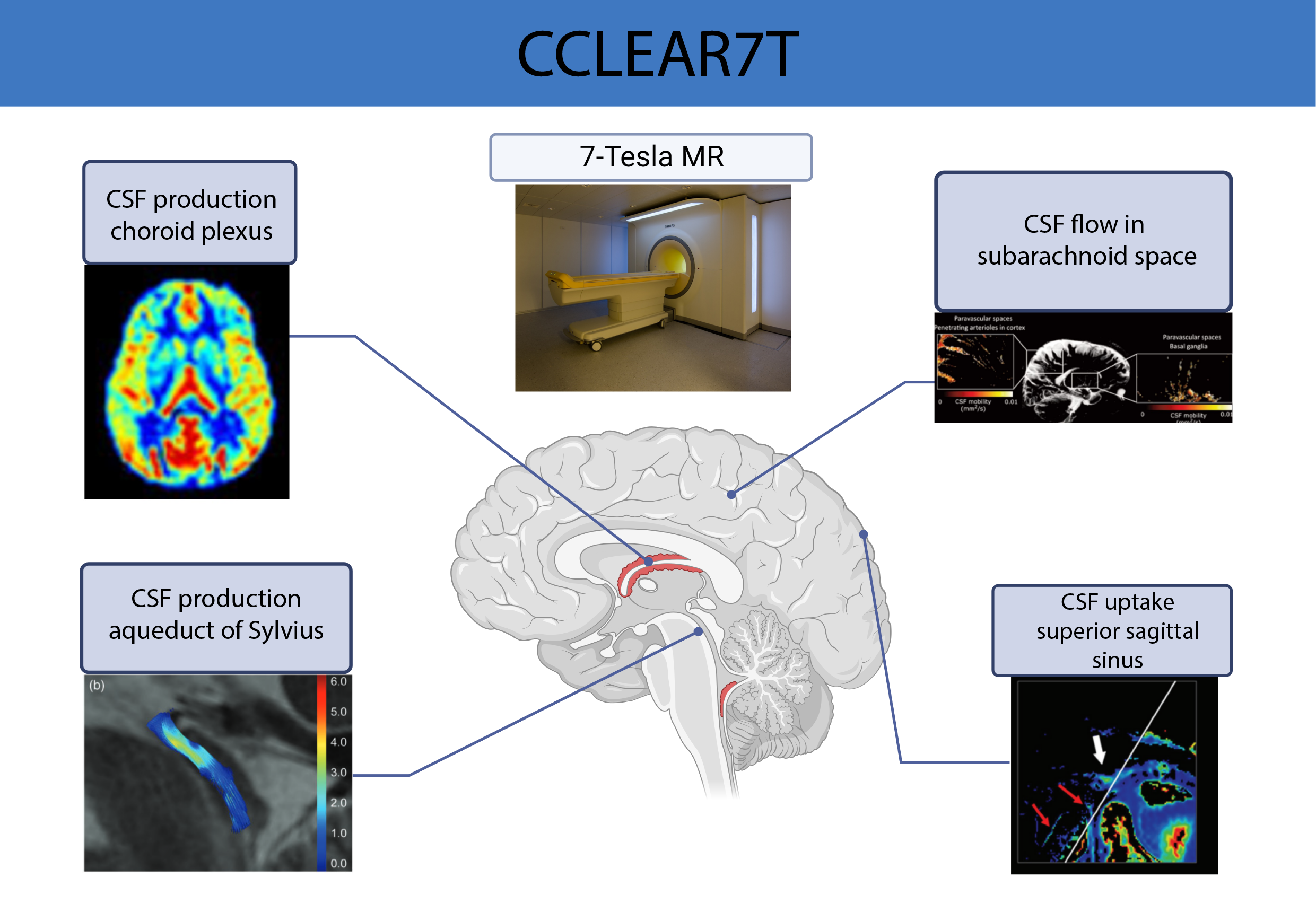
The CCLEAR7T is a collaboration between DRCMR and Danish Headache Center to use ultra-high field MRI in combination with a newly developed MRI sequence, CSF-STREAM, to measure CSF circulation as well as structural alterations in fine CSF pathways around the brain. We aim to gain unique knowledge on how the brain and CSF regulation are altered when SIH decreases intracranial pressure and whether these alterations reverse after successful treatment. Due to its mechanical nature and reversibility, SIH is a unique condition to study CSF dynamics and their influence on brain waste clearance safely in humans. The results will also inform a state-of-the-art diagnostic evaluation of SIH.
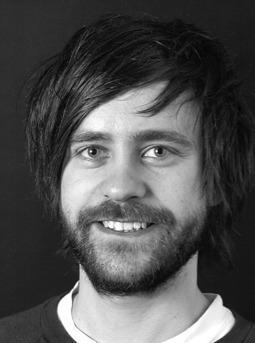
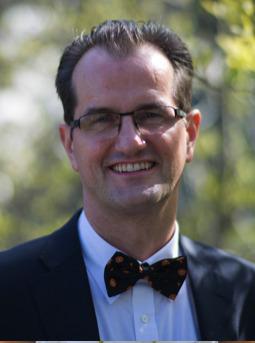
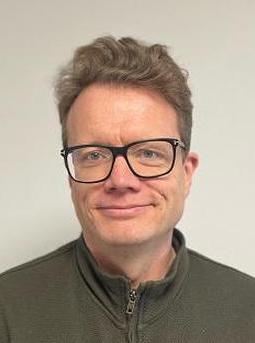
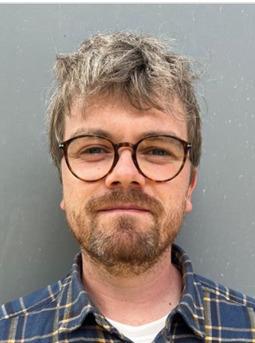
People: Kristian Nygaard Mortensen, Hartwig Siebner, Henrik Lundell, Rasmus Hansen, Sebastian Storm, Kristin Engel
Brain Fluid Mobility in Ageing: Mechanisms and modulation of cognitive preservation
Cerebrospinal fluid (CSF) plays a role in clearing metabolic waste from the brain, yet its contribution to cognitive ageing remains poorly understood. This project uses a novel, non-invasive 7T MRI sequence (CSF-STREAM) to quantify CSF-mobility in older adults and examine its relationship with cognitive function. Leveraging a uniquely well-characterised ageing cohort (the LISA study), we will identify blood biomarkers, lifestyle factors, and brain features that predict CSF dynamics in late life. Finally, we will test whether a 3-month aerobic exercise intervention can enhance CSF-mobility and improve cognition in older adults. Ultimately, we aim to determine whether brain fluid dynamics are a modifiable mechanism of cognitive preservation, providing new insight into how lifestyle interventions like exercise can protect brain health in ageing.
People: Naiara Demnitz, Kristian Nygaard Mortensen, Hartwig Siebner
Selected Publications
Ölmestig, J, Mortensen, KN, Thomas, MB., Fagerlund, B., Robbins, TW., Naveed, N., Nordling, MM., Christensen, H., Iversen, HK., Poulsen, MB. and Siebner, HR., Kruuse C., 2025. Cognitive outcomes after tadalafil treatment in patients with cerebral small vessel disease: ETLAS-2 sub-study. Cerebral circulation-cognition and behavior, p.100520.
Mortensen KN, Lilius T, Rosenholm M, Sigurðsson B, Kelley DH, Nedergaard M. Perivascular cerebrospinal fluid inflow matches interstitial fluid efflux in anesthetized rats. iScience. 2025 May 16;28(5).
Ölmestig J, Mortensen KN, Thomas MB, Fagerlund B, Naveed N, Nordling MM, Nielsen MK, Rasmussen BS, Christensen H, Iversen HK, Poulsen MB, Siebner HR, Kruuse C. Tadalafil Treatment in Patients With Cerebral Small Vessel Disease: The ETLAS-2 Randomized Clinical Trial. Stroke. 2025 Jul 28.
Ölmestig J, Mortensen KN, Fagerlund B, Naveed N, Nordling MM, Christensen H, Iversen HK, Poulsen MB, Siebner HR, Kruuse C. Cerebral blood flow and cognition after 3 months tadalafil treatment in small vessel disease (ETLAS-2): study protocol for a randomized controlled trial. Trials. 2024 Aug 29;25(1):570.