
1985
A Gift that Changed Everything
In 1985, the DRCMR was inaugurated thanks to a generous donation from the flamboyant travel agency owner Simon Spies of a 1.5 tesla magnetic resonance scanner to Hvidovre Hospital – the first MRI scanner in Denmark.
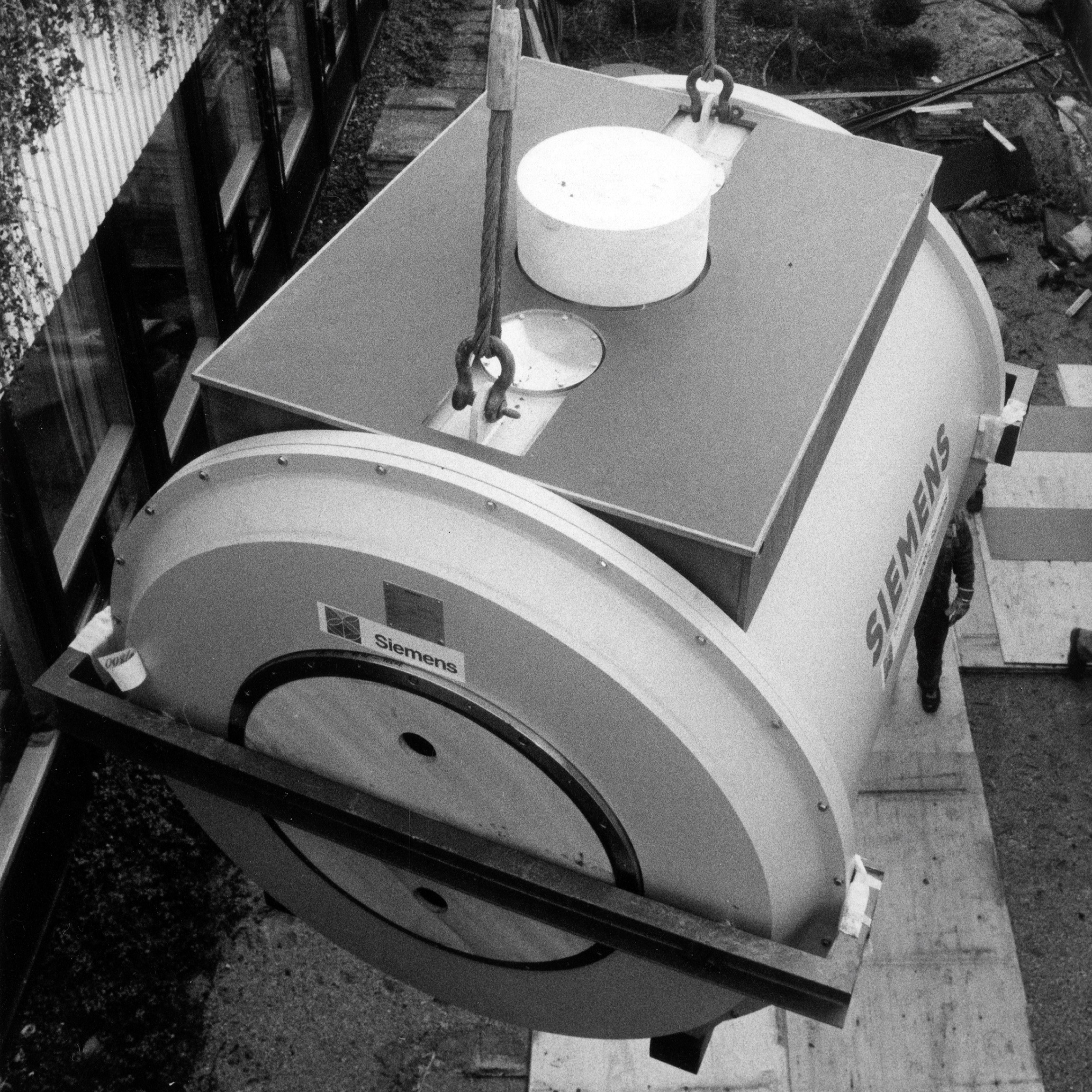
1985 - 1995
A Soaring Start
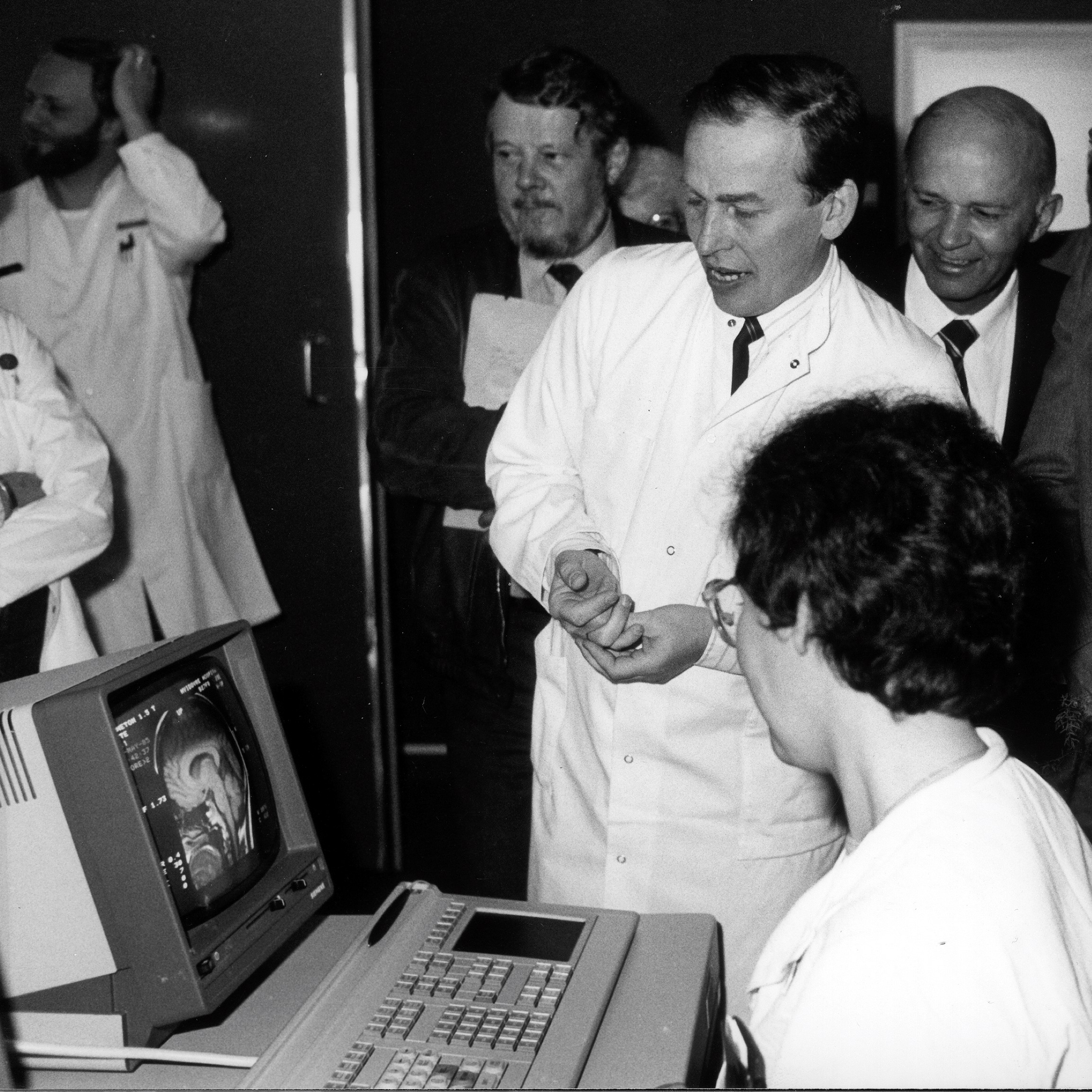
During DRCMR's first decade, research was very much at the heart of its mission. The centre’s director, consultant physician Ole Henriksen, was above all a man of science, and doctors and physicists from across the globe made their way to Hvidovre to learn from their Danish counterparts.
2002
Another First of its Kind in Denmark
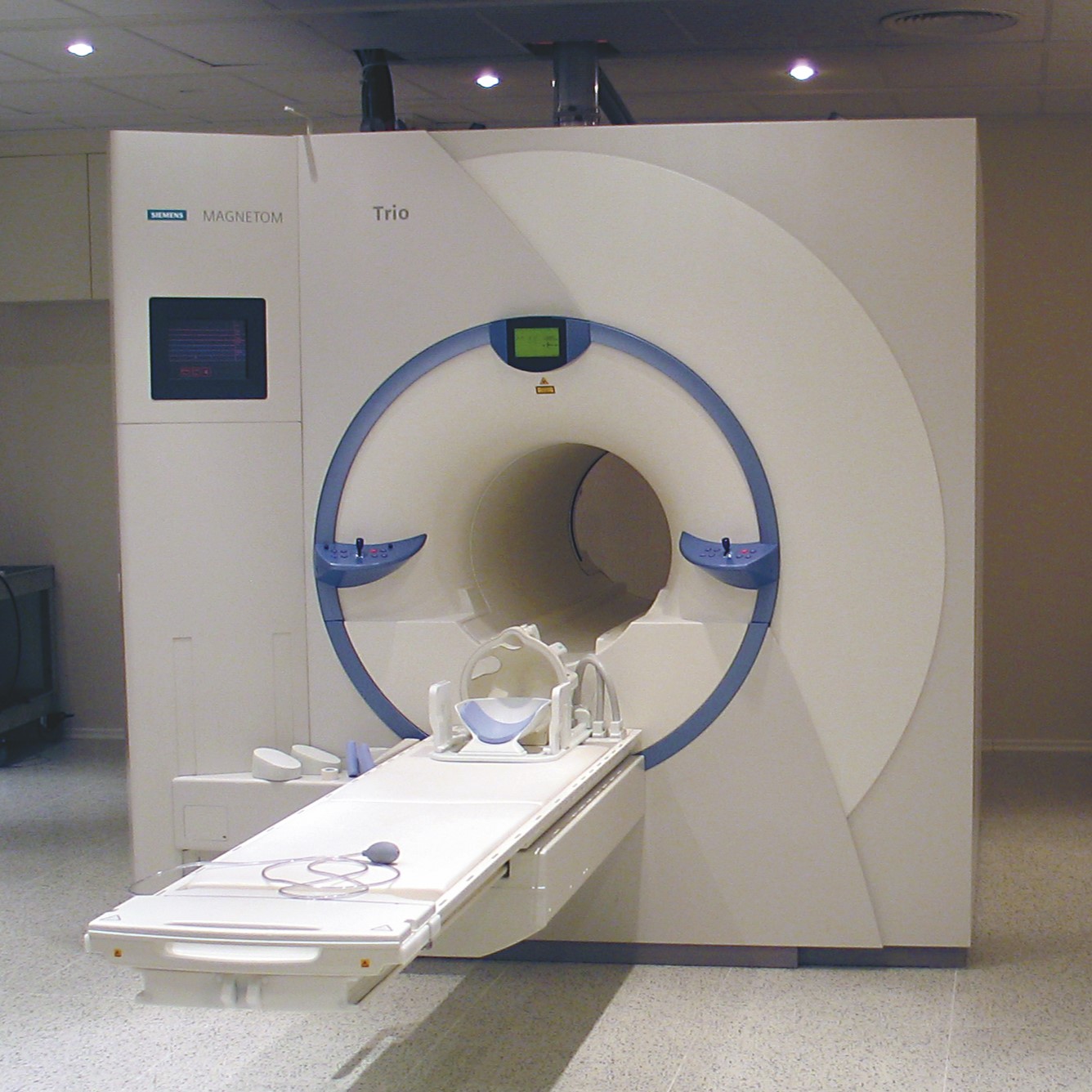
In 2002 the first 3 tesla MRI scanner in Denmark was installed at DRCMR, this time also through a generous donation from the Simon Spies Foundation. It opened the door to an entirely new discipline - functional MRI - which enabled scientists to map the brain’s signals as they related to physical and cognitive function.
2014
Global Excellence in Health Award
In August 2014 the DRCMR was granted the Global Excellence in Health Award by the Capital Region of Denmark. The nomination committee put special emphasis on the centre’s outstanding contributions to research and disease management regarding neurological diseases such as multiple sclerosis and parkinsonism.

2015
Denmark's Most Powerful Scanner Arrives
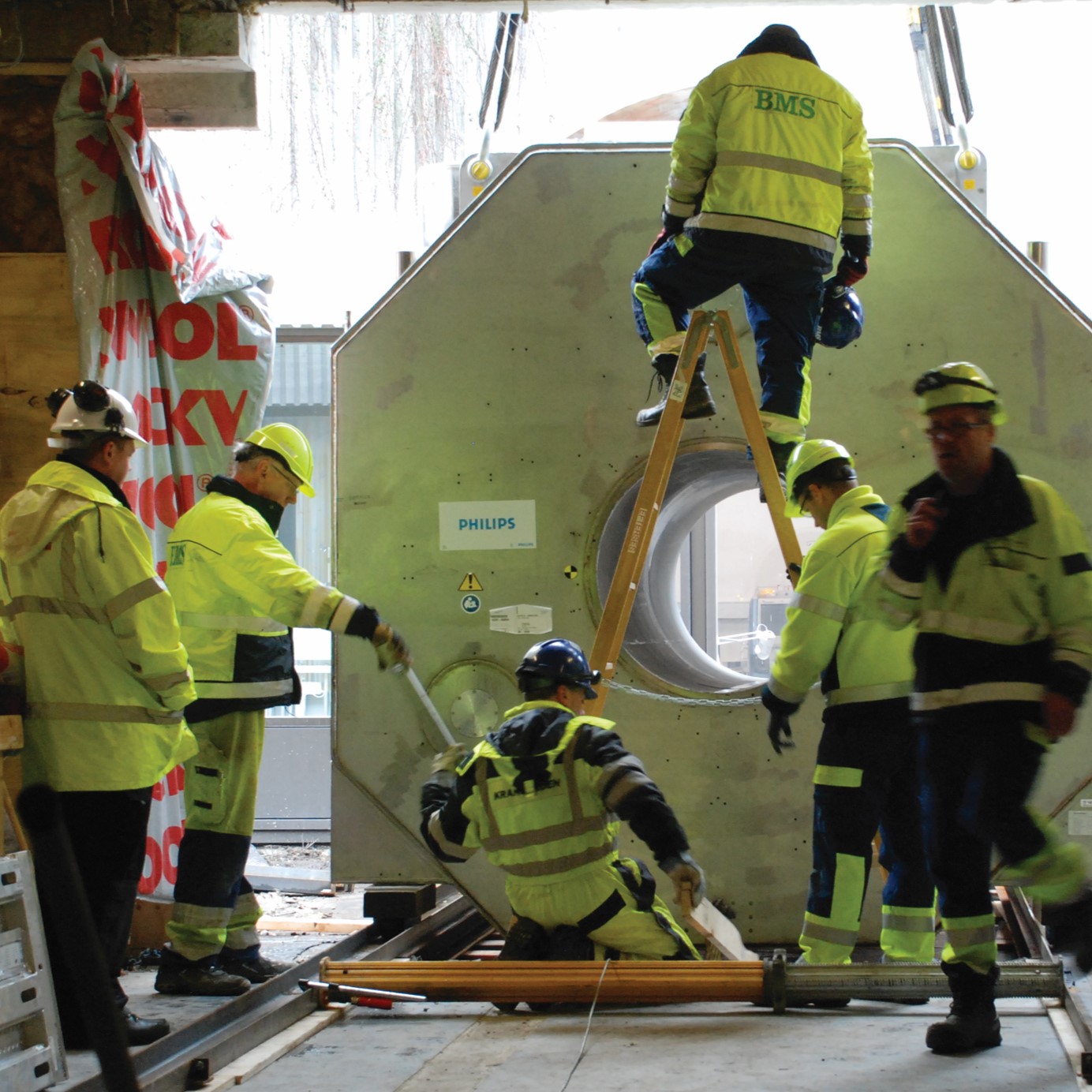
The 7T scanner was acquired and inaugurated in February 2015 thanks to very generous donations from the John and Birthe Meyer Foundation and from the Danish Agency for Science, Technology and Innovation.
2025
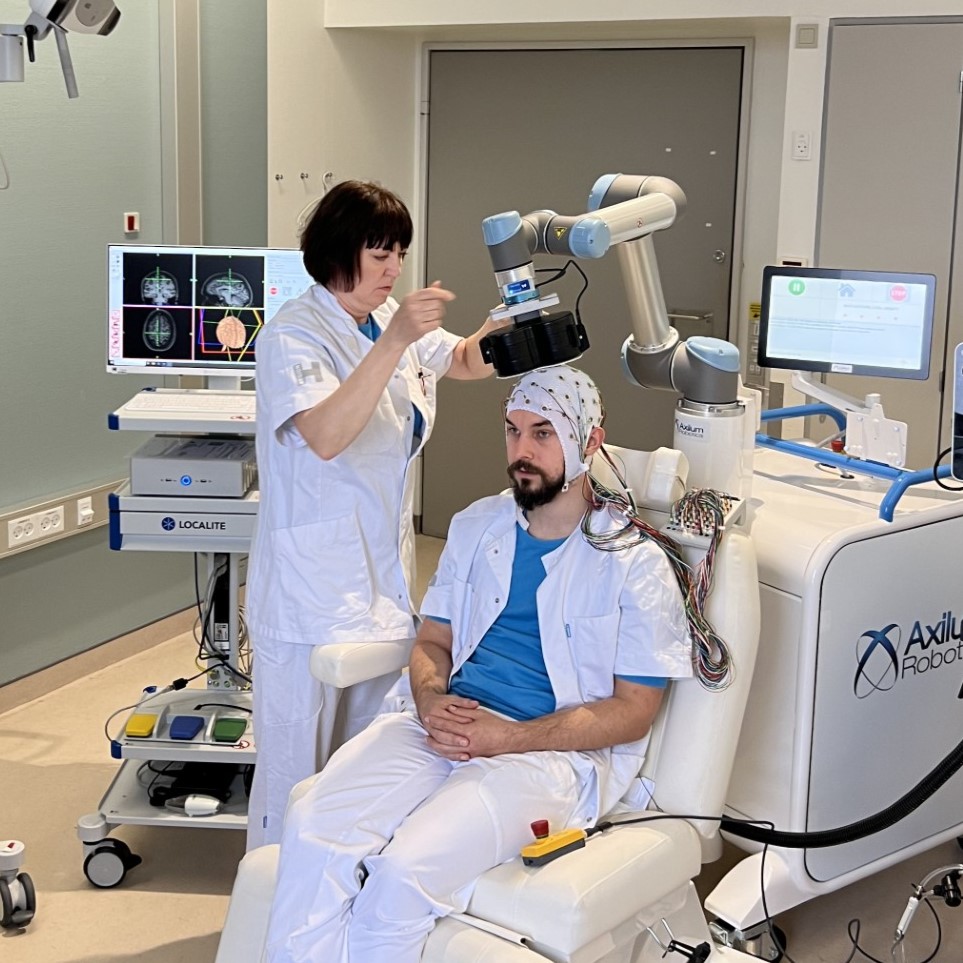
A New Transcranial Stimulation Unit
One of the most notable advancements in the more recent years was the launch of investigational studies utilizing transcranial magnetic stimulation (TMS) as a therapeutic tool. Building on a decade of brain stimulation research, this initiative represents a natural progression towards clinical translation.
Join us and be a part of our History!
The DRCMR is open and welcoming new research talents to contribute to a diverse environment, inspire and give creative input to move the limits of our research further.

History of the Danish Research Centre for Magnetic Resonance
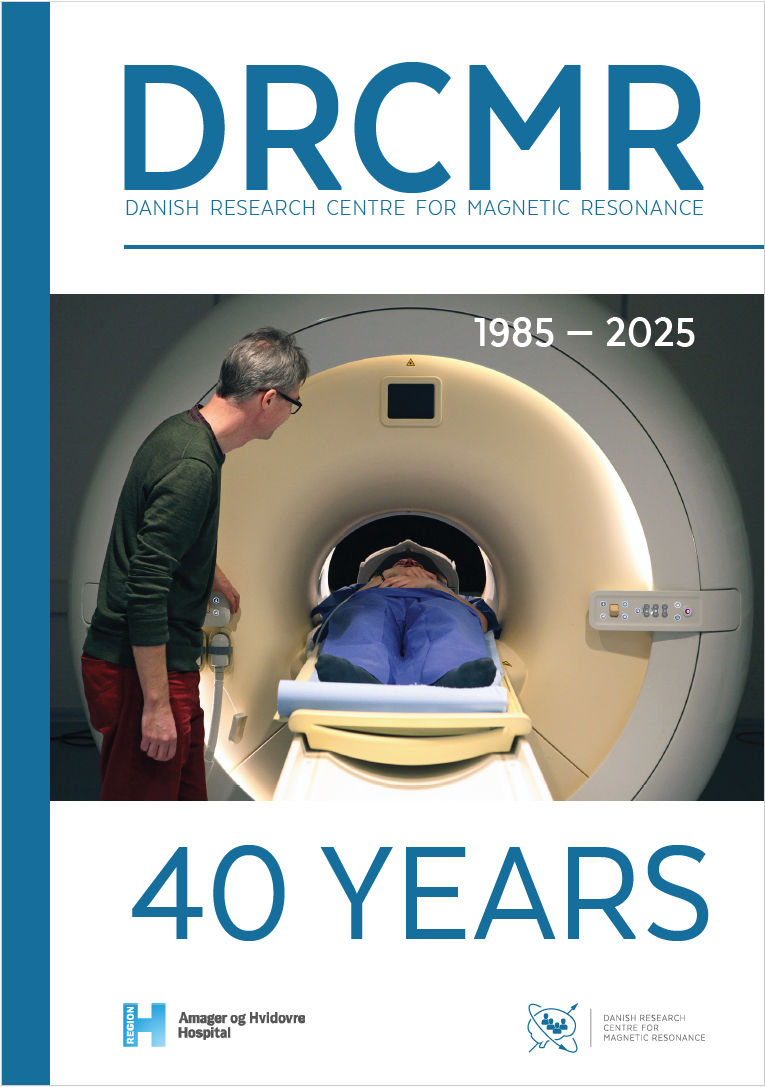
The technology was new at the time with very few MR scanners in the world, but research and an eminent collaboration with the supplier Siemens quickly produced results in the field of functional and diagnostic imaging and the centre prospered during the following years.
Soon the DRCMR attracted researchers from both Denmark and abroad, and during the 80’s and start 90’s they enthusiastically pioneered the research. The first manager of the centre, MD Ole Henriksen, was a brilliant research leader with high ambitions, and the centre attracted guests from all over the world.
Following the unexpected illness of Ole Henriksen in 1995, a new era began under the leadership of professor Olaf Paulson, who during the next 15 years developped the centre. Olaf Paulson continued his employment at Rigshospitalet while heading DRCMR and the centre profitted a lot from his wide network. His enterprising manner and efforts resulted in not only financing of the many research projects, but also new equipment; already in 2002 the first 3 tesla MRI scanner in Denmark was installed at DRCMR; this time also through a generous donation from the Simon Spies Foundation.
The DRCMR continuously prospered and took one more giant step when professor Hartwig Siebner gradually took over from Olaf Paulson. From 2010 his visions and worldwide reputation soon made DRCMR a magnet for researchers and students wanting to participate and learn in this fertile, interdisciplinary and productive research environment.
In August 2014 the DRCMR was granted the Global Excellence in Health Award by the Capital Region of Denmark. The nomination committee put special emphasis on the centre’s outstanding contributions to research and disease management regarding neurological diseases such as multiple sclerosis and parkinsonism. Insight into the treatment of these is obtained using an interdisciplinary approach combining MRI and other techniques. The nomination committee was also impressed by DRCMR’s ability to attract international, prominent researchers and ensure extended regional and global collaboration with the best researchers within the field. Last but not least, the committee mentioned the extremely impressive research infrastructure at DRCMR, including the 7T MR-scanner. The 7T scanner was acquired and inaugurated in February 2015 thanks to very generous donations from the John and Birthe Meyer Foundation and from the Danish Agency for Science, Technology and Innovation.
The future – The DRCMR is open and welcoming new research talents; the interdisciplinary structure, the open research environment, the many different specialities – not only medical but also within e.g. linguistics, physics, engineering, psychology and music – all encourage and contribute to a diverse environment, inspire and give creative input to move the limits of our research further.